
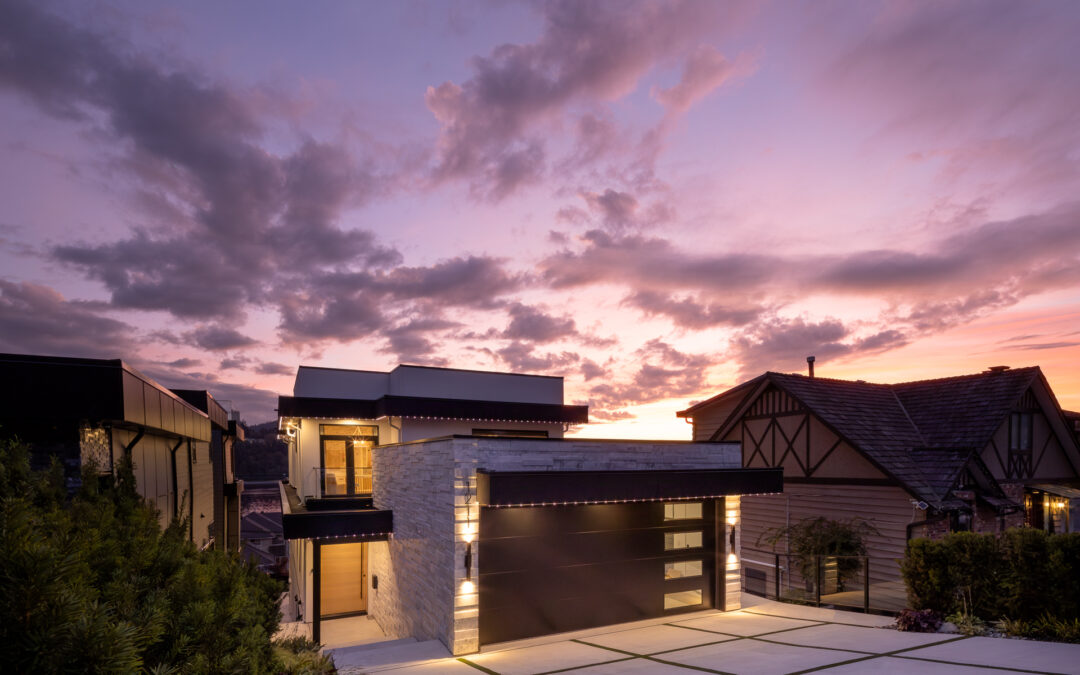
Building a custom home is one of the most exciting and meaningful investments you can make. It’s an opportunity to create a living space that reflects your lifestyle, values, and long-term vision. At Corecraft, we guide clients through planning a custom home build every day—and we’ve learned that the most successful projects start with thoughtful planning and clear expectations.
Here are the Top 10 things to consider when planning your custom home build.
- Define Your Vision and Priorities Early
Before talking with designers or builders, take time to think about how you want to live in your home:
- How many square feet and how many levels?
- What architectural style speaks to you?
- Which spaces matter most—kitchen, outdoor living, gym, garage?
- How do you want the home to feel?
- Who will live in the home when it is completed and also in the future?
Having clarity upfront ensures the design aligns with your lifestyle and budget from day one.
- Establish a Realistic Budget (and Contingency)
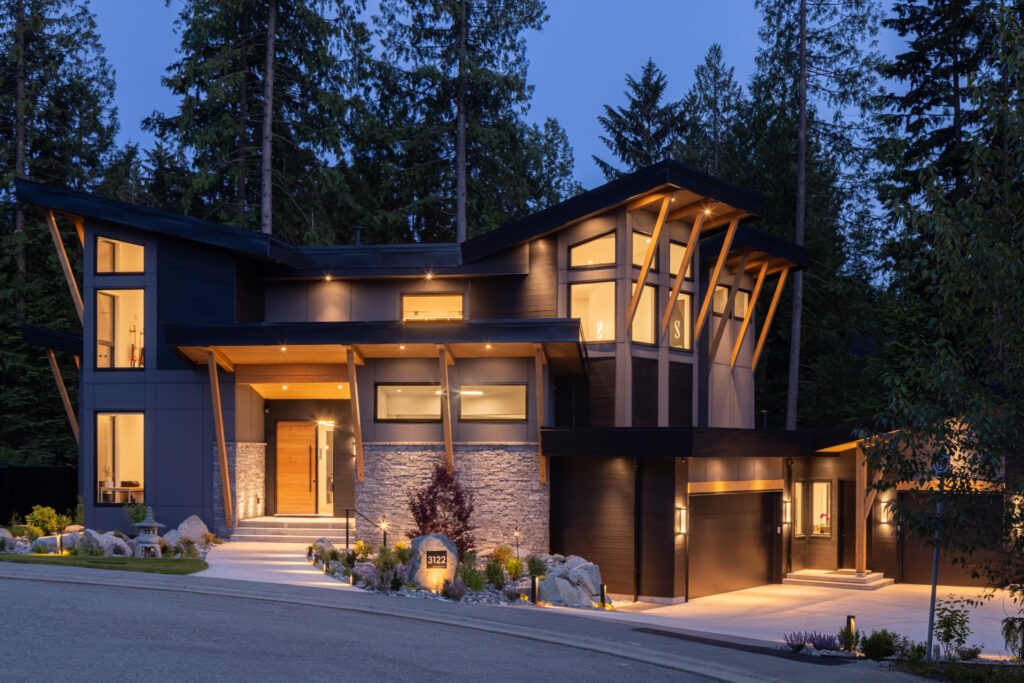
Budgets for custom homes vary widely based on size, design complexity, site conditions, and level of finish.
A good builder can help you create a realistic project budget and identify all associated costs, including:
- Design and engineering
- Permits and municipal requirements
- Site work and servicing
- High-end finish selections
- Landscaping
- Contingency for unknowns
At Corecraft, we provide transparent cost planning so clients know exactly what to expect before construction begins.
- Choose the Right Location and Understand Site Constraints
Your lot plays a major role in the design, cost, and feasibility of your home. Important factors include:
- Slope and grading
- Soil conditions
- Tree removal
- Access for construction
- Setbacks and view corridors
- Environmental restrictions
- Demolition
- Services
A steep or heavily treed lot can add significant costs—so early due diligence is essential.
- Assemble the Right Team (Early!)
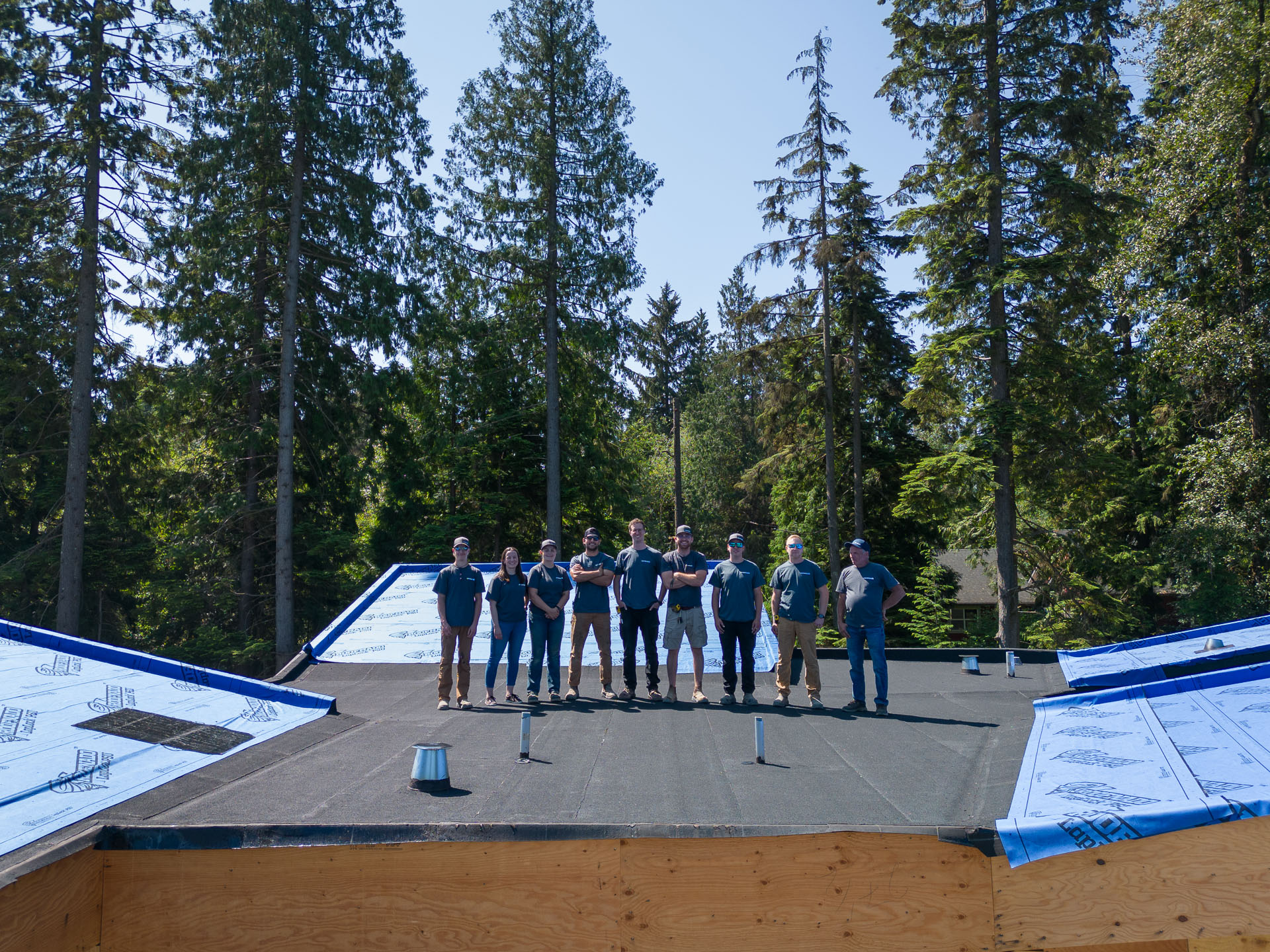
A successful custom build requires a coordinated team from the start. This typically includes:
- Architect or designer
- Builder
- Interior designer
- Engineer(s)
- Consultants
When the builder is involved early, the team can design to your budget, create solutions proactively, and avoid costly redesigns. Corecraft’s pre-construction team works closely with clients, designers and professionals to ensure every detail is aligned before ground is broken. An Integrated Design Process will give you the best outcome when your home is completed.
- Understand the Timeline
A custom home is a significant undertaking. Depending on complexity, the process can take 18–36+ months from initial planning to final handover.
Key stages include:
- Feasibility and budgeting
- Design development
- Permit approvals
- Construction (typically 12–18 months)
Knowing the timeline helps you plan your living arrangements and avoid feeling rushed during design.
- Focus on Functionality and Flow
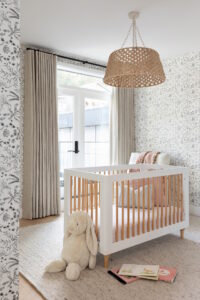
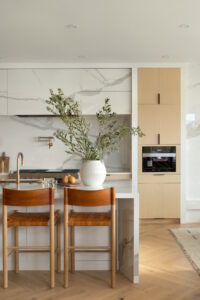
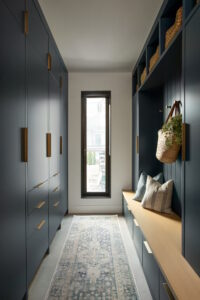
A well-designed home is not just beautiful—it works for your everyday life. Consider:
- Traffic flow
- Natural light
- Storage solutions
- Kitchen layout and prep areas
- Mudrooms and outdoor access
- Home offices and multi-purpose rooms
Thoughtful planning reduces future frustrations and contributes to long-term comfort.
- Invest in Quality Materials and Craftsmanship
Your home is a long-term investment. Choosing high-quality materials and construction methods ensures:
- Better durability
- Lower maintenance
- Greater energy efficiency
- Higher resale value
At Corecraft, we build with a level of precision and craftsmanship meant to stand the test of time—and reflect the standards of our clients.
- Plan for Energy Efficiency and Future Technology
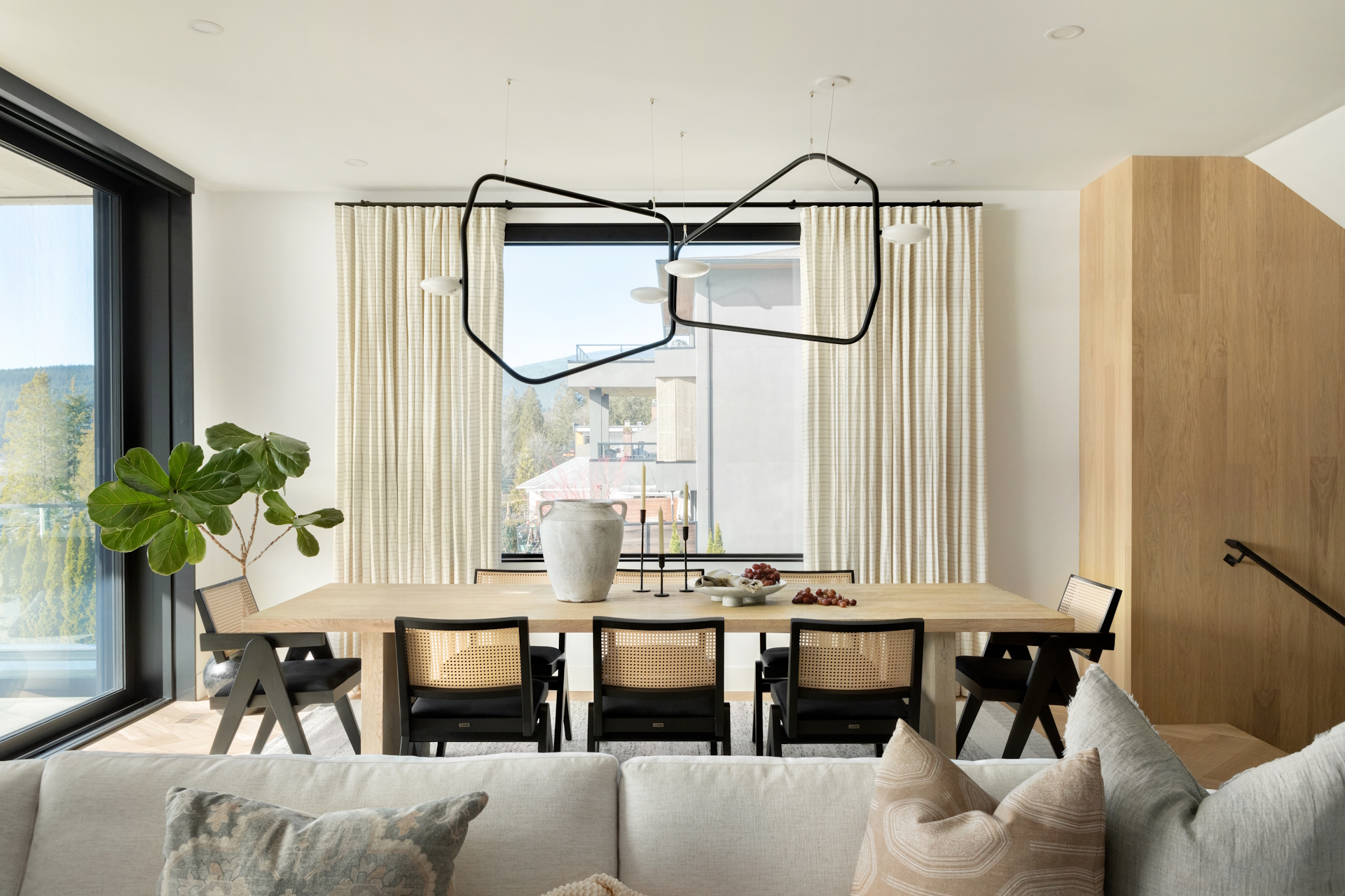
Today’s custom homes integrate advanced systems that improve comfort and reduce long-term operating costs:
- High-performance insulation
- Heat pumps
- Smart home automation
- EV charging
- Solar readiness
- High-efficiency windows and doors
- Geothermal
Planning for these systems early keeps costs down and maximizes long-term value.
- Communicate Clearly and Often
Clear communication is essential in a custom build. Ask your builder about:
- Frequency of updates
- How changes are handled
- How budgeting and progress are tracked
- Who your day-to-day contact is
Corecraft clients receive proactive communication, regular updates, and complete transparency so they always know where the project stands.
- Choose a Builder Who Aligns With Your Values
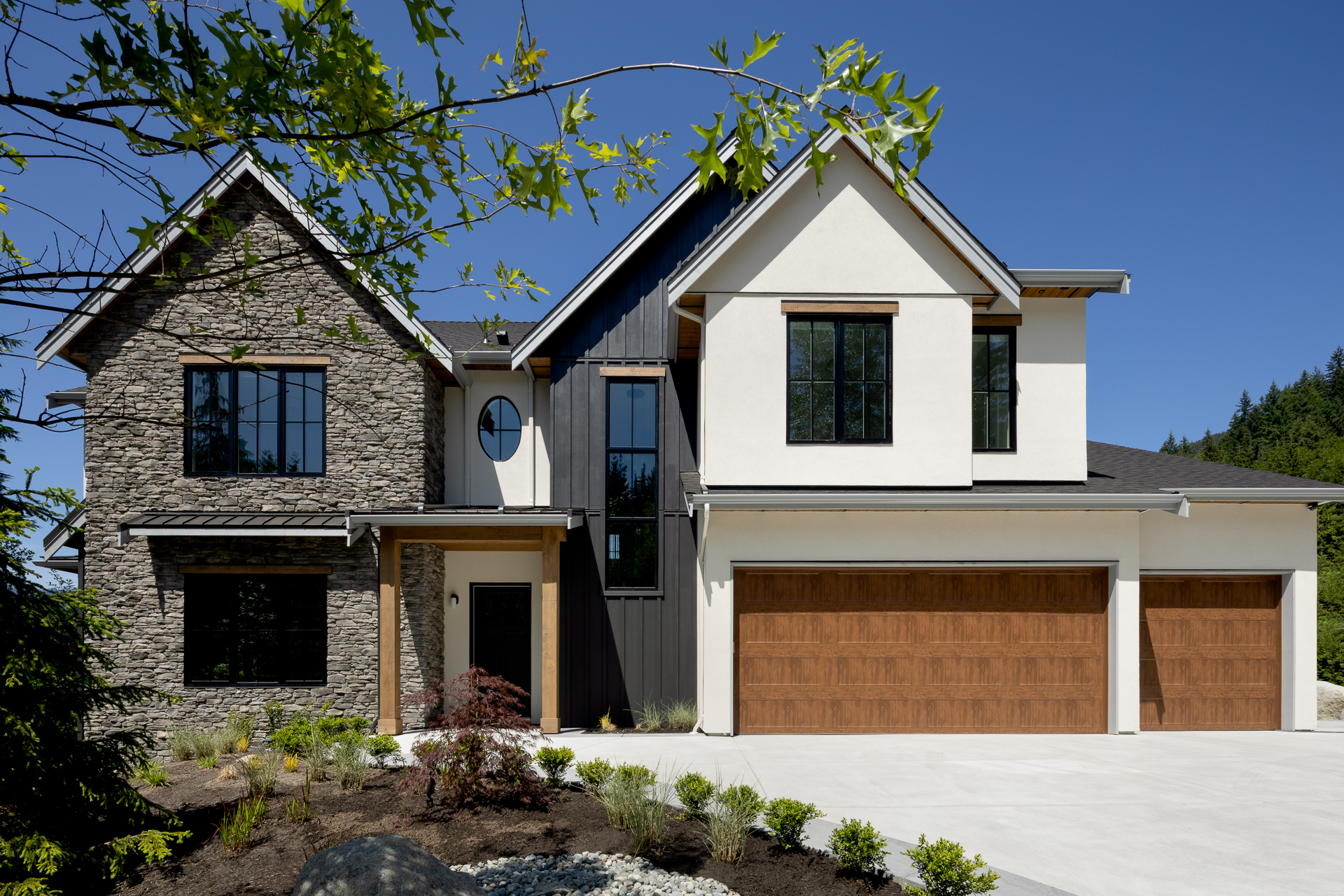
Your builder is your partner for the next 1–2 years. Look for a team that:
- Shares your commitment to quality
- Communicates transparently
- Has strong systems and processes
- Protects your time
- Offers proven experience with custom homes and project management
Ultimately, the right builder ensures the experience is as exceptional as the finished home.
Ready to Start Planning Your Custom Home Build?
At Corecraft, we specialize in guiding homeowners through a seamless, transparent, and detail-driven custom home building process. If you’re ready to explore what’s possible, we would love to help you take the next step.